Unfortunately, we’re seeing a steady drop in fertility rates, which, when it affects you personally, can be so discouraging if that’s you and your other half! Improving fertility can begin long before medical intervention. It starts by creating the healthiest possible environment for your body.(Read Part 1 of this series HERE)
In this article, we will explore:
- Egg and sperm health matters
- How oxidative stress affects fertility
- Increasing antioxidants
-
The role of blood sugar
- Improving gut health
- Healthy fats
- Micro-nutrients
- Essential micro-nutrient download
Egg & Sperm Health Matters
Having healthy eggs and sperm increases the likelihood of fertilisation. Ensuring the optimal conditions so that your fertility and your future baby’s well-being are maximised will increase your chances of pregnancy AND of carrying your baby to term.
It takes approximately 100 days for eggs to reach full maturity, and around 74 days for sperm to mature. Taking the time, energy and commitment to improve egg and sperm quality over this period will benefit both your husband/partner’s, and your overall health and well-being too.
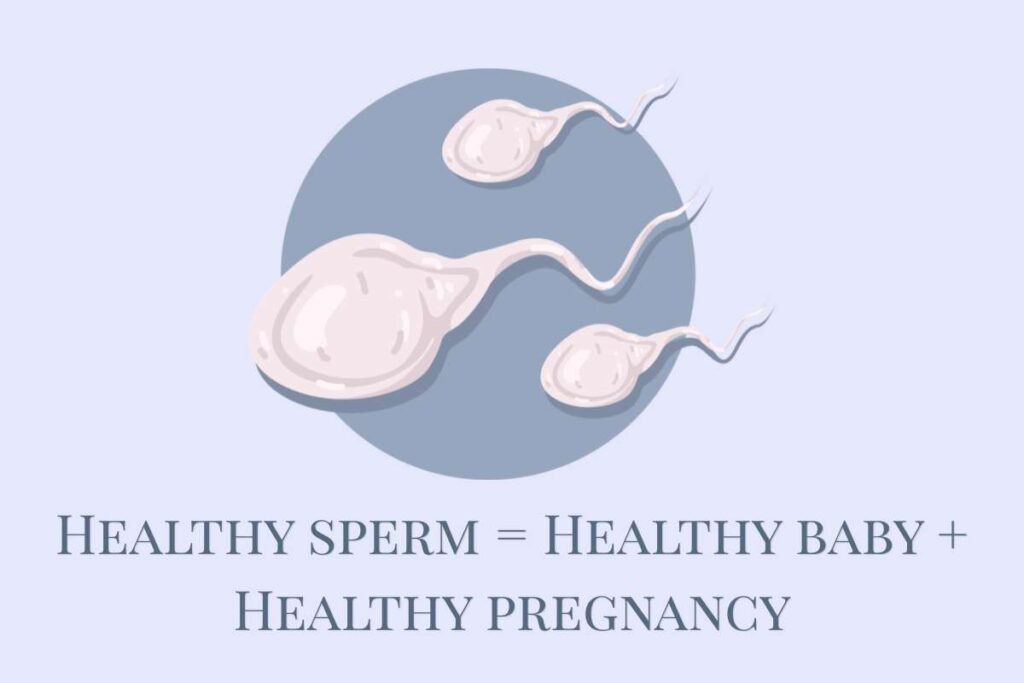
Very recent research has found that the father’s sperm is not only responsible for half your baby’s DNA, but is also responsible for the placenta’s form and functioning. Placental health strongly influences miscarriage risk, fetal growth, preeclampsia, and long-term child health, so healthy sperm = healthy pregnancy + healthy baby.
How Oxidative Stress Affects Fertility
Free radicals are molecules that the body makes after being exposed to toxins in the environment (including food) and also as a consequence of normal body metabolism. Over time, these free radicals cause inflammation in the body and can damage DNA (the genetic code and building block of life inside every cell).
Inflammation in the cells builds up and leads to dis-order which will eventually cause dis-ease in the cells, moving on to the organs and body. Anti-oxidants are substances that protect your body from free radicals by neutralising the effect of the free radicals. When there is an imbalance in the body between unstable free radicals and the antioxidants in your body, there is oxidative stress.
Think of an apple that has been cut. The flesh is now exposed to oxygen, which triggers a breakdown of the apple tissues. The skin is no longer there to protect the flesh, causing it to turn brown. However, if you squeeze lemon juice over the sliced apple, the Vitamin C, which is a powerful antioxidant, prevents the oxygen from damaging the apple flesh and left exposed on a plate.
Chromosomes make up our DNA, and when there is damage to the chromosomes of a growing and developing baby, an early pregnancy loss will probably occur. This is the primary cause of pregnancy loss in the first trimester.
Oxidative stress affects everyone, but it can be combated through our diet and lifestyle choices. It’s worthwhile noting that both partners can take responsibility for their nutrition to improve the quality of their egg or sperm. Sperm motility, shape, strength and health will be improved in men. In women, the menstrual cycle can regulate, egg health improves and blood supply to ovaries and uterus is optimised, helping a woman’s body conceive and support a growing, developing baby.
Signs of inflammation
- Constipation &/or diarrhoea
- Eczema
- Bloating
- Headaches
- Brain Fog
- Aching joints
- Flu-like response to period
- Energy slumps/continues tiredness
- Sugar cravings
- Anxiety and mood swings
- Frequent infections
- High blood pressure
Increasing Anti-oxidants to Improve Fertility
To combat the effects of free radicals, we have the power from phyto-chemicals in plants which are anti-oxidative in nature. They stop the formation of free radicals and minimise the harm they cause to cells.
Most people only eat their veggies when they have their main meal, so that amounts to 1-3 servings a day. Maybe a fruit was thrown in as a snack too.
Ideally, we’re looking at 6-10 servings a day, with 1 serving = 1 cup raw or 0.5 cup cooked.
Let’s look at some ways to increase your servings:
- Add a meal or snack that is only fruit and vegetables eg. carrot sticks and hummus; celery, peanut butter and raisins
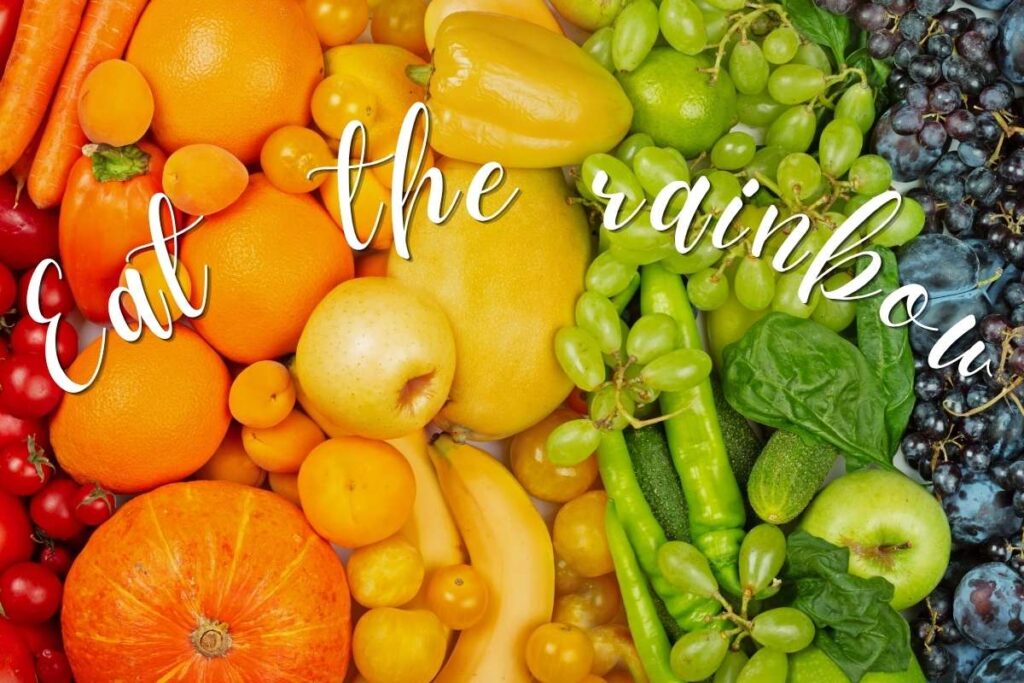
- Have a rainbow plate. Try to get at least 3 colours on your plate. For example:
RED: tomato, red grapefruit, watermelon, bell peppers
ORANGE: squash, sweet potato, carrots, mango, papaya, nectarines, apricots
YELLOW: corn, bell peppers, lemon
GREEN: leafy greens, broccoli, kale, spinach,asparagus, cucumber, kiwi, grapes
PURPLE: egg plant, red cabbage, red onions, blueberries, grapes, black currants, plums
- Make half your plate vegetables
- Prepare your veggies when you get back from grocery shopping, so there‘s quick, easy access
- Keep them in sight when opening the fridge
- Add extra vegetables to soups, stews, mince and smoothies
- Add vegetables to sauces and bolognaise
- Substitute cabbage rice and cauliflower mash instead of rice and mashed potato
The Role Blood Sugar has on Fertility
Sugar in it’s natural form isn’t bad per se. In its simplest form ie. glucose, is needed to fuel the brain, muscles and other organs. When too much sugar is consumed, that’s when problems arise.
When the body has too much glucose, insulin is released into the bloodstream to help regulate blood sugar levels. However, with repeated exposure to high, refined sugars, the body goes into an emergency response. As glucose is released quickly and in large amounts, lots of insulin enters the bloodstream, causing blood sugar levels to drop rapidly. With these extreme high and low responses repeated over and over, the body can easily become insulin resistant. This in turn can lead to complications like low egg and sperm quality, fertility issues, miscarriage, inflammation, and diabetes.
Blood sugar levels are affected by:
- Fod choices
- When food is eaten
- How active your life is
- The amount of stress you’re are dealing with
- Hormones
- Medication
Balancing your Blood Sugar
Make some small adjustments to your food choices so you can maintain the changes without feeling deprived.
For example:
- Don’t eat your carbohydrates alone: Add fat and/or protein to slow down the release of glucose into the bloodstream.
- Decrease the amount of carbohydrates, and increase proteins and fats
- Swap a sweet breakfast for a savoury one
- If you need a sweet treat, add them to your meal (the protein and fat of the meal will slow down the release of blood sugar)
- Substitute refined carbohydrates for wholegrain, multigrain or lentil based

Improving your Gut Health to Improve Fertility
In the last few years, the research and study of the microbiome has exploded. Your gut is made of millions and millions of helpful micro-organisms (bacteria, viruses, fungi etc) to help digest your food, absorb vitamins and minerals, and protect you from certain diseases. This flora is also found on your the skin, in the mouth and reproductive tract.
Researchers are increasingly interested in how the gut and reproductive microbiomes may influence fertility and pregnancy. For example, studies suggest that the vaginal microbiome plays an important role in maintaining a healthy environment for conception and pregnancy.
What Can Disrupt the Microbiome?
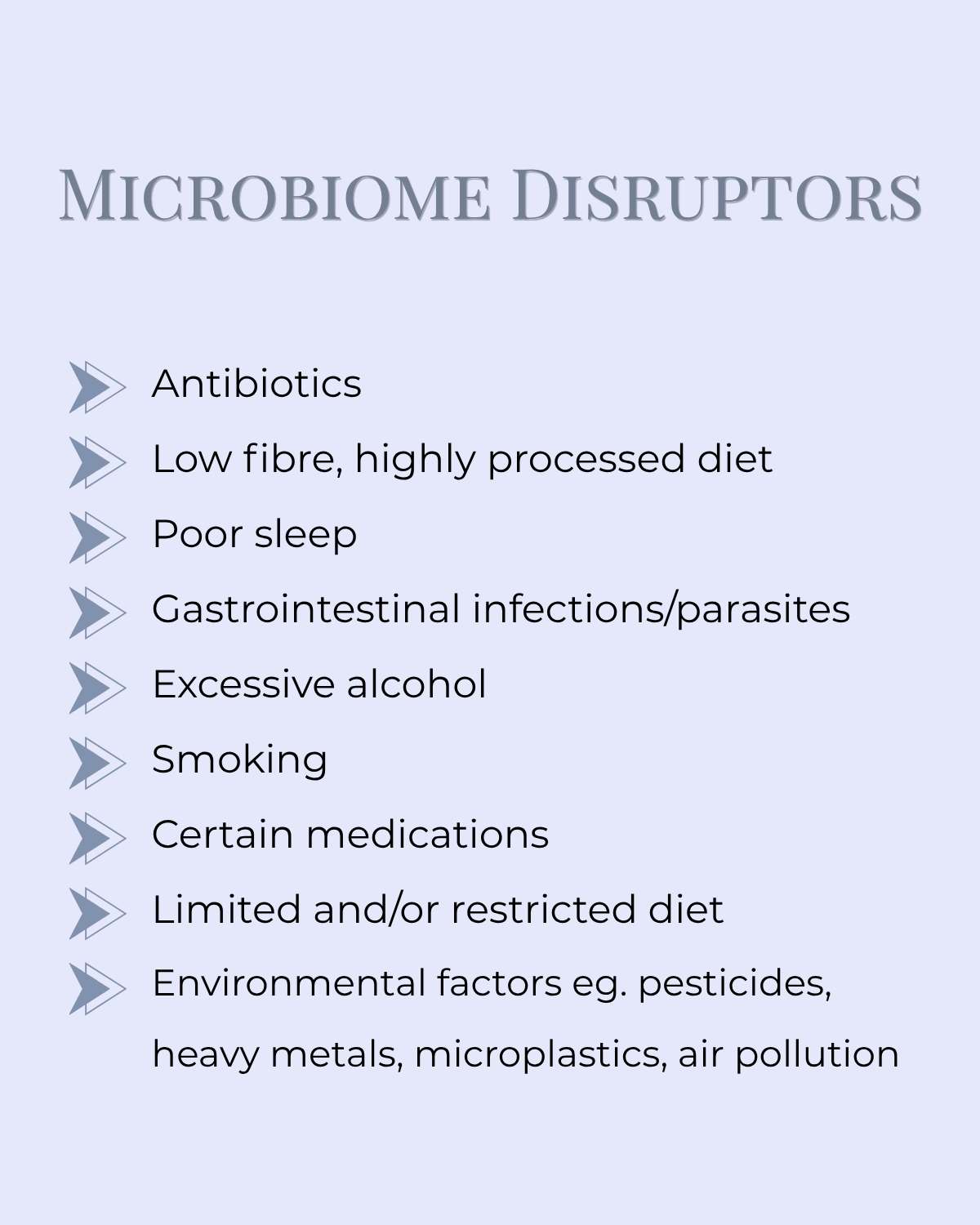
Many things disrupt and alter the microbiome, with antibiotics being one of the most disruptive, as they destroy both the good and harmful bacteria.
The following table mentions other factors that can interfere with your microbiome, many of which are diet and lifestyle-related.
Foods that Support the Microbiome
I personally believe supporting a healthy microbiome can help optimise the body’s ability to absorb nutrients, regulate inflammation and support overall reproductive health.
Fermented foods contain beneficial microbes that may help support microbial diversity when eaten as part of a balanced diet. These include:
- Kefir
- Miso
- Kimchi
- Sauerkraut
- Natural yoghurt with live cultures
Bone broth is a highly nutritious and healing food that can be included as part of your diet, although there is currently little evidence that it directly “heals” the gut microbiome.
Foods that feed beneficial gut bacteria
Prebiotic fibres are the preferred fuel source for many beneficial gut bacteria. Including a wide variety of plant foods can help support a diverse microbiome.
Excellent sources include:
- Garlic
- Onions
- Leeks
- Asparagus
- Jerusalem artichokes
- Beetroot
- Legumes (beans, lentils and chickpeas)
Colourful plant foods are also rich in fibre with the added benefit of phytonutrients (natural plant compounds with antioxidant properties), including:
- Broccoli
- Cabbage
- Dark leafy greens
- Fresh herbs
- Potatoes and/or rice (particularly when cooked and cooled, as they contain resistant starch)
- Berries
Aim to include a wide variety of plant foods at each meal and throughout the week. Those who regularly eat a greater diversity of plants tend to have a wider and more resilient gut microbiome.
Add Healthy Fats to Your Diet
SOME fats are good for us. The diet culture has spent billions of dollars and pounds convincing us that fats make us fat, and aren’t good for our health. We now opt for fat-free or low-fat products, instead of choosing to eat foods in their most natural state.
When fats are removed from foods, they prevent us feeling full and satiated, and often leave our food dull and lacking flavour. Food manufacturers add sugar to enhance the flavour. These are often hidden sugars, like maltodextrin, high fructose corn syrup, glucose, malt extract etc; which cause much unnecessary damage and inflammation to our bodies.
75% of people are not getting enough of the right fat in their diet.
Healthy fats that are rich in Omega-3 are extremely effective in reducing inflammation in the body.
Fats are essential for making hormones, improving egg and sperm health and for placenta and embryo development, especially the brain and nervous system. As baby matures in utero, it needs fat for energy and to lay down brown fat for insulation and temperature regulation for life outside the uterus.
Healthy fats are found in:
- Fatty fish eg. salmon, mackerel, sardines, tuna
- avocado
- eggs
- olives and olive oil
- nuts and seeds
- coconut oil
- Full-fat dairy
- Ghee
We need to avoid PROCESSED trans fat as they increase the bad cholesterol (LDL) and decrease the good cholesterol (HDL). PROCESSED, hydrogenated fats cause inflammation on the body, especially the cardio-vascular system. They are found in margarine, fast foods, snack foods (eg. chips, crackers, biscuits, etc.), pre-prepared foods, vegetable and seed oils heated to extreme temperatures.
It’s not clear if naturally occurring trans fats from animal meats and dairy are harmful or not, but essential micro-nutrients are found in these foods eg iron, choline, vit A, Bs, and selenium.

Ensuring optimal nutrients and micro-nutrients are acquired before conception is critical to:
- Increased health of egg and sperm
- Decreased time to conception
- Decreased risk of pregnancy loss
- Decrease in pregnancy complications eg. pre-eclampsia and gestational diabetes
- Increase chances of a successful pregnancy up to 4x
It is recommended to use foods to meet your nutritional needs before supplementing. Foods tend to have the perfect balance and additional micro-nutrients for your body. Supplements should be used only if there is a shortfall, or you know you can’t meet the recommended daily allowance through your diet eg. your diet is vegan/vegetarian. (Read how to prevent nutritional deficit in this BLOG) Not all supplements are equal. A lot have unnecessary fillers and below-standard ingredients. Choose your supplements with care.
Micronutrients: The Missing Piece of the Fertility Puzzle
Once you’ve built a foundation of healthy fats, balanced blood sugar and a thriving gut microbiome, it’s time to consider the micronutrients that quietly support every stage of fertility.
These vitamins and minerals may be needed in relatively small amounts, but their impact is anything but small. They play essential roles in hormone production, egg and sperm quality, DNA synthesis, implantation, healthy cell division and the earliest stages of your baby’s development. In fact, many of these nutrients are working long before you even know you’re pregnant.
For example, folate is vital for DNA formation and healthy cell division, helping to reduce the risk of neural tube defects in early pregnancy. Choline supports placental function and your baby’s developing brain, while also contributing to healthy sperm motility. Vitamin B12 works alongside folate to support cell growth and neurological development, and deficiencies have been linked to infertility and recurrent miscarriage. Magnesium helps reduce oxidative stress, supports progesterone production and promotes healthy egg and sperm quality. Meanwhile, selenium and zinc provide antioxidant protection, support reproductive hormones and contribute to healthy fertility in both men and women.
The challenge is that this is a huge topic. Understanding how much of each nutrient you need, which foods provide the richest sources, and when supplementation may be appropriate deserves far more space than I can give it in this article.
That’s why I’ve created a FREE resource to make it simple.
Download my FREE Fertility Nutrition Cheat Sheet, where you’ll find:
The six essential fertility micronutrients explained
Why each one matters for both men and women
Recommended daily intakes before and during pregnancy
The best food sources for each nutrient
Practical tips to help you meet your nutritional needs naturally
Think of it as your quick-reference guide to nourishing your fertility with confidence.
PLEASE NOTE:. I have experience in perinatal nutrition, but I am not a dietician, nutritionist, or fertility expert.