Vegan, Vegetarian, and Plant-Based Diets During Pregnancy: What Each One Means
Vegetarian/vegan eating has become a popular lifestyle choice, as it appeals deeply to people’s ethical conscience, suits many diverse cultural lifestyles, and is an effective way to maintain a clean diet.
Often, people who choose to eat this way, focus on not eating meat, and other animal products, rather than choosing the best plants to nourish the body.
Our supermarket fridges and shelves are full of quick, convenience foods and meat alternatives. These products are often highly processed, high in sugar and salt, and low in fiber. The risks of eating ultra-processed foods are well documented:
- obesity
- under-nourishment
- chronic diseases
Pregnancy changes everything! Your body’s needs increase, and some nutrients become more difficult to get in the right forms.
Just so we’re all on the same page, let me give you a brief description of what each term means, as they’re often used interchangeably.
Omnivore:
An omnivorous diet includes both animal and plant foods – meat, fish, dairy, eggs, fruits, grains, and vegetables. It provides a wide range of nutrients with fewer absorption challenges. However, being omnivorous doesn’t automatically mean eating healthily, or in a balanced way. Quality, manner of preparation and quantity still matter.
Vegetarian:
A vegetarian diet eliminates meat, poultry, and fish, but may include eggs and dairy (known as ovo-lacto vegetarian). Some people follow variations, such as ovo-vegetarian (eggs but no dairy) or lacto-vegetarian (dairy but no eggs).
For pregnant women, vegetarian diets can provide excellent nutrition, however, certain nutrients should be carefully considered, eg iron, Vitamin B6, and Vitamin B12.
Vegan:
A vegan diet excludes all animal products, including dairy, eggs, honey, and any foods derived from animals. As we’ll see later, vegan pregnancies require extra attention as several crucial nutrients that are essential for you and baby’s development are difficult, or impossible to meet through diet alone.
Plant-based
The term ‘plant-based’ is more flexible. It generally means eating mostly plants, but not necessarily avoiding all animal products. For some, it’s a stepping stone toward vegetarianism or veganism; for others, it simply reflects a priority on fruits, vegetables, grains, legumes, and nuts, with only occasional animal-based foods.
In pregnancy, a well-planned plant-based diet can provide most nutrients naturally, as long as attention is paid to variety, portion size, and key micronutrients.
Can I be Vegetarian/Vegan/Plant-based when Pregnant?
The answer to this question is slightly more complex than a simple yes or no. That’s why I’ve written this blog, so you are aware of the benefits, risks, and shortfalls, as well as:
- Understanding nutritional needs in pregnancy
- Knowing how to get all your essential nutrients
- Being aware of common deficiencies and how to avoid them.
Of course, your body is your own, and the choices you make are entirely yours. But since you’re here, it’s clear you care deeply about nourishing yourself and your baby in the best way possible. Let’s make sure you’re meeting all your nutritional needs with confidence and ease.
Risks of a Vegetarian/Vegan diet
A study carried out in 2021 showed that a vegetarian diet was related to babies born with a lower weight and were small for gestational age (SGA).
Along with the risk of a SGA baby, there is also the risk of low protein intake, anaemia, and an increased chance of pre-eclampsia. This can lead to early delivery of your baby, which can increase risks of NICU admission if your baby is underweight.
The needs of your body and your growing baby are demanding and it is more difficult to meet those demands of
- calories
- protein (56 g/day vs 91 g/day in omnivore diets)
- fat
- specific micro nutrients are more likely to be found in animal products.
A plant-based or vegetarian pregnancy can be perfectly healthy when thoughtful planning is in place. When key nutrients are missing or poorly absorbed, both mother and baby can be affected.
Let’s take a dive into the macro and micro nutrients essential for maintaining a healthy pregnancy.
Protein Requirements in Pregnancy
Why Protein Matters During Pregnancy
Proteins are the building blocks of the body – essential for making muscles, bones, tissues, organs, and enzymes. During pregnancy, your protein needs increase to support both your own body and your growing baby.
Proteins are made from amino acids of which there are 20 amino acids in total, and 9 of them are essential, meaning your body can’t produce them on its own.
These amino acids are critical for:
Fetal growth and brain development
Maternal tissue expansion
Healthy hormone production
Immune and enzyme function
Essential vs. Incomplete Proteins
Animal-based proteins (like eggs, dairy, and meat) are considered complete proteins because they contain all 9 essential amino acids.
Most plant-based proteins, however, are incomplete, missing one or more essential amino acids. The good news: by combining 2–3 plant sources, you can easily create a complete protein profile.
Examples of Complete Protein Combinations
Mixed green salad with crispy tofu
Edamame with roasted cashews
Halloumi and hard-boiled eggs (for vegetarians)
Tip: You don’t have to eat all amino acids in one meal — just ensure variety throughout the day.
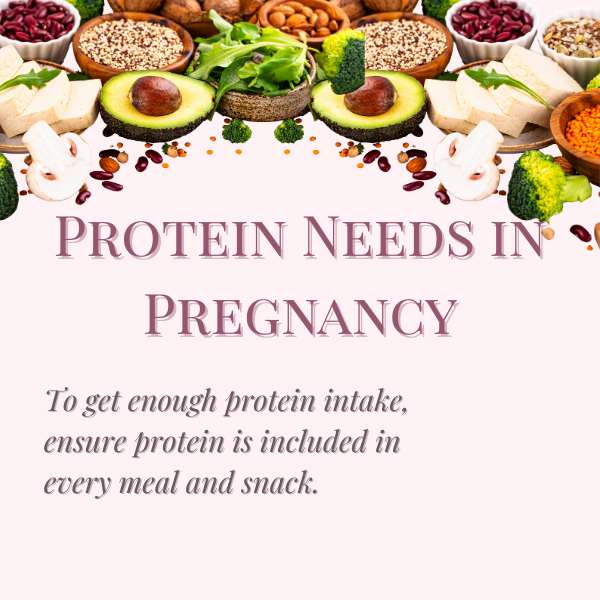
How Much Protein Do You Need in Pregnancy?
The NHS does not specify an exact daily protein target but recommends that pregnant women should “eat some protein-rich foods every day.”
(You can read more on the NHS have a healthy diet in pregnancy page.)
Other expert guidelines, such as the U.S. Institute of Medicine, suggest:
1.1 grams of protein per kilogram of body weight per day.
For example, a woman weighing 65 kg would need approximately 71.5 g of protein per day.Recent studies show that protein requirements increase as pregnancy progresses , particularly in the second and third trimesters, when fetal growth accelerates.
First trimester: ~1.0 g/kg/day
Second trimester: ~1.2 g/kg/day
Third trimester: up to ~1.5 g/kg/day
(Stephens TV et al., American Journal of Clinical Nutrition (2015); “Protein requirements in late gestation determined by indicator amino acid oxidation.)
Protein Quality and Bioavailability in Plant-Based Diets
Although plant foods offer an abundance of protein, they tend to be less concentrated and less bioavailable than animal sources.
This means your body may absorb less protein from the same portion size of animal proteins.
To optimize plant-based protein intake:
Combine complementary sources (e.g., grains + legumes)
Include protein-rich foods like tofu, tempeh, lentils, quinoa, and nuts
Ensure adequate calorie intake to support absorption and growth
Vegetarian Protein Sources
The table below is a guide on high vegetarian protein sources, (including animal sources) with the amount of protein per portion.
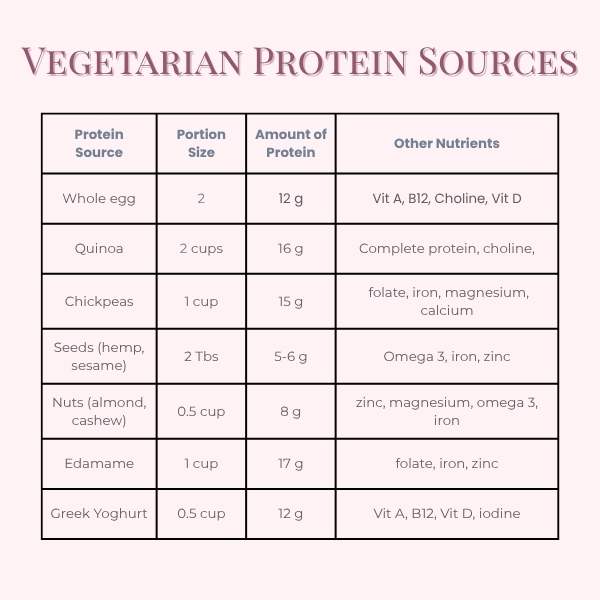
High-Protein Vegetarian and Vegan Foods for Pregnancy
Pairing proteins together in the same meal is a fabulous strategy to ensure you’re getting all 9 essential amino acids.
Ask yourself: “Can I add another protein source to this meal?” A simple tweak can turn a light meal into a more nourishing, pregnancy-supportive one.
Grains & legumes
Perfect base for main meals.
Wholegrain bread with hummus or bean spread
Rice and lentil curry, or red beans with brown rice
Quinoa and black bean salad
Wholewheat pasta with lentil or chickpea sauce
Nuts & Seeds with Legumes
Adds crunch, healthy fats, and extra amino acids.
Lentil or vegetable soup topped with pumpkin or sunflower seeds
Chickpea salad with chopped almonds or tahini dressing
Bean stew finished with a sprinkle of sesame or hemp seeds
Nuts & Seeds with Grains
Ideal for breakfasts, snacks, or lighter meals.
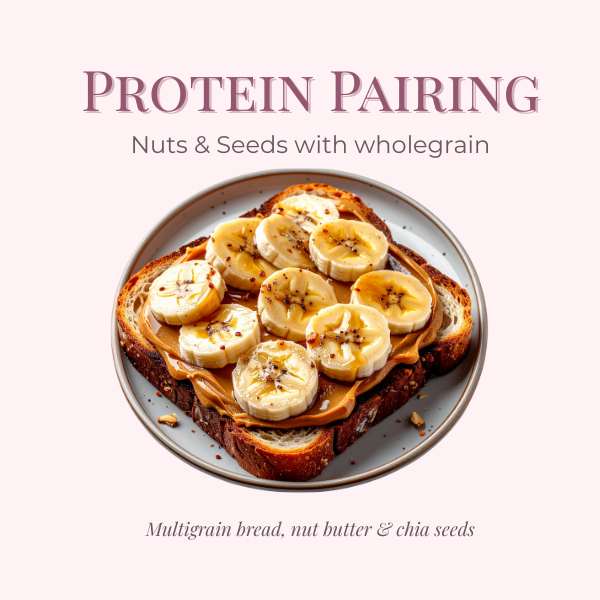
Nut or seed butter spread on wholegrain toast or rice cakes
Oat porridge topped with chia, hemp, or flax seeds
Quinoa bowl with walnuts and roasted vegetables
Bonus: Soya + Anything!
Soya foods like tofu, tempeh, or edamame are complete proteins on their own, but pairing them boosts variety and satiety.
Stir-fry with tofu and cashews
Edamame salad with poppy seed and tahini dressing
Tempeh wrap with hummus and greens

Micronutrients You Might Be Missing with a Vegan/Vegetarian Diet
Even a well-planned vegan or vegetarian diet can fall short on certain vitamins and minerals, especially during pregnancy when nutrient needs are higher. Understanding which micronutrients are most at risk – like vitamin D, iron, vitamin B12, choline, and omega-3s – helps ensure both you and baby get everything needed for healthy growth and development.
Vitamin D
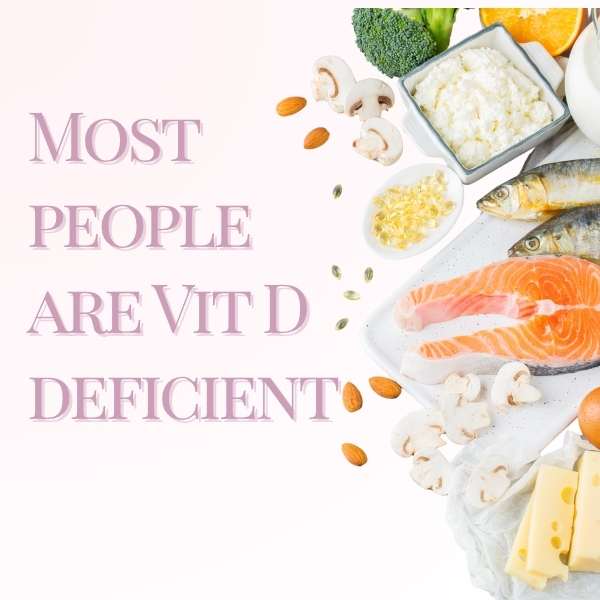
This is the most common deficiency in most people, especially here in the UK, where there is limited sun exposure in the winter months, and the use of sunscreens and protective clothing during summer months.
Vitamin D is critical for bone, teeth, heart and nervous system development of your baby, and is also important for you as it reduces your risk of pre-eclampsia and gestational diabetes.
Sources of vitamin D
- sunshine
- eggs
- dairy
- fish
- sundried mushrooms
- fortified foods, eg, milk, fruit juices, cereals
Which Vitamin D Supplement Should I Take?
Supplementing with Vitamin D3, paired with vitamin K2, increases the levels of vitamin D in your body and helps sustain them. Vitamin A, vitamin K2, magnesium, and zinc are needed by your body to metabolise vitamin D. In their natural food state, these minerals and vitamins would be present, and in the optimal ratio.
Iron
Vegetarian/vegan diets are related to iron insufficiency. Heme iron, found in animal products, is absorbed well by the body; whilst non-heme iron, found in plant foods, isn’t absorbed as well. Fiber, phytates, and oxalates can interfere with the efficiency of absorption. Pregnant women following a vegetarian, vegan, or plant-based diet are predisposed to lower iron stores, therefore more likely to have anaemia.
Risks of Low Iron
From the second trimester, your blood volume literally doubles, so iron intake considerable importance for you and your baby. Inadequate iron intake during pregnancy can lead to the following in the woman:
- pre-eclampsia
- hypothyroidism
- preterm birth
and for the developing baby:
- stunted growth
- premature birth
- increased risk of baby developing obesity, diabetes, and high blood pressure later in its life.
Iron-rich Plant Sources
- Nettles are exceptionally high in iron and other minerals. Foraging nettles for tea or soup is a great (and free option)
- beans, pulses, and lentils
- tofu and tempeh
- Nuts and seeds
- dark leafy greens
- dried fruits
- grains like aramanth, oats, and quinoa
Optimising Iron Absorption
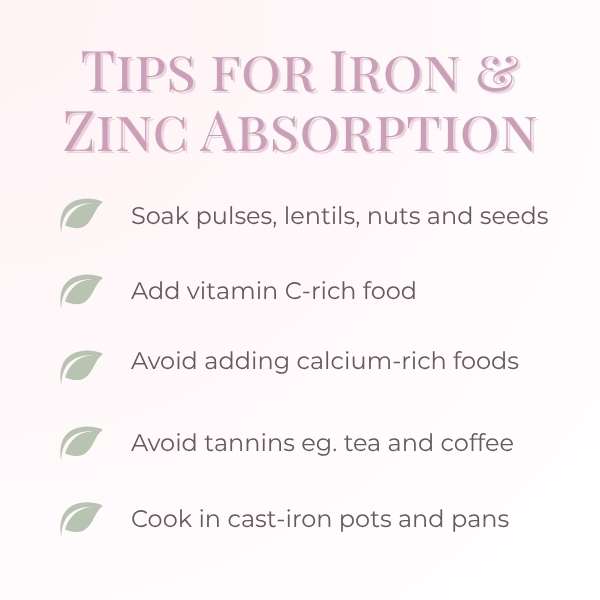
- Soak lentils, pulses, nuts, and seeds overnight to remove phytates
- Add a source of vitamin C to increase absorption
- Don’t eat high calcium foods with iron-rich meals, as this inhibits absorption
- Cook with cast-iron pots and pans
- Avoid caffeine with meals.
(A personal recommendation I give my vegetarian or anaemic clients is to consider taking Floradix and the tissue salt Ferrum Phos)
Vitamin A
Vitamin A is needed for the growth and development of your baby’s heart, eyes, ears, kidneys, and immune system.
There are 2 types of vitamin A available through our diet: Retinol and carotene
Preformed vitamin A (retinol)
Retinol is found in animal products such as liver, fish oils, eggs, and full-fat dairy. It’s readily absorbed by the body, however, too much can be toxic to the body.
Provitamin A (beta-carotene)
Our red and orange vegetables, such as carrots, sweet potatoes, butternut squash, and pumpkins, along with leafy greens like kale and spinach, are rich in beta-carotene.
While beta-carotene-rich foods are excellent sources of provitamin A, the body must convert this compound into retinol. This conversion can be highly varied, and often ineffective.
Because plant-based sources rely entirely on this conversion process, vegans and some vegetarians may have lower vitamin A reserves than omnivores, even when their beta-carotene intake appears adequate.
To support conversion:
Include a source of healthy fat like avocado, olive oil, or nuts with beta-carotene–rich foods.
Eat a variety of colors — orange, dark green, and red vegetables which all contribute towards beta-carotene.
Get enough zinc, through foods like pumpkin seeds, lentils, and cashews, to support the conversion of beta-carotene to retinol.
Choose a prenatal supplement where vitamin A is included as beta-carotene but ensure it provides sufficient coverage to prevent deficiency.
Vitamin B12
This vitamin is only found in animal products, and is a vital nutrient to prevent miscarriage, neural tube defects, and preterm labour. Deficiency is rarely seen in those following an omnivore diet, but up to 63% of vegans are deficient.
If you are a vegetarian, your vit B12 can be found in eggs (0.6 mcg/egg), and dairy (eg. 1.3mcg/ 175mls yoghurt). The recommended daily intake (RDA) is 2.2 mcg (micrograms).
As a vegan, supplementation is vital before and during pregnancy.
Choline
This essential nutrient is often overlooked, and up to 95% of pregnant women’s diets have inadequate levels, mainly due to the fact that most of choline sources are in saturated animal fats – namely liver, egg yolks, and red meat.
Choline is essential for brain development, placental functioning, and preventing NTD (Neural tube defects).
Recommended choline intake: 450-900mcg/day.
Choline Sources
- eggs (2 eggs-300mcg)
- cottage cheese (1 cup-40mcg)
- quinoa (1 cup-45mcg)
- beans (1 cup-50-75mcg)
- cruciferous vegetables (1 cup-30-75mcg)
It is obvious to see that large quantities of vegetables are needed to meet the RDA, so check your prenatal vitamin has choline, or add it to your supplement regime.
DHA from Omega-3
DHA is a form of Omega-3 and is an essential nutrient for brain development in utero and for the first 2 years of baby’s life.
Without seafood and fish, meeting the DHA requirements is tricky. Most pregnant women , in general, are deficient in the DHA, so supplementing is advisable.
Plant Sources of DHA
- seaweed and algae
- nuts and seeds (poor DHA conversion rates)
- algae based supplements
Zinc
Plant foods are high in zinc, but they are also high in zinc inhibitors like phytic acid, therefore vegetarians/vegans need more zinc than those following an omnivore diet.
Zinc Plant Sources
- seeds, especially pumpkin and hemp
- cooked leafy greens
- wholegrains
- lentils
- nuts, especially almonds
To improve absorption, it is advisable to:
- soak nuts, seeds and lentils
- sprout grains
- add vitamin C ingredients eg, lemon juice
- avoid high-tannin foods
Iodine
Not many people realise that in pregnancy, your body needs 50 % more iodine than normal, with a recommended 220mcg/day. A deficiency of iodine has been linked to miscarriage and preterm birth.
Iodine is needed for developing the brain and nervous, and skeletal systems.
Plant Sources of Iodine
- Seaweeds: 232mcg in 10g
- Yoghurt: 115 mcg/cup
- Eggs: 26 mcg/egg
- Prunes: 13 mcg/5 prunes
- Lima beans: 8mcg/half cup
Glycine
Glycine is an essential amino acid during pregnancy. It is needed for both you and your baby’s development.
Glycine for Pregnant Women
Glycine is the amino acid found in collagen, connective tissue and bones, so it makes sense that it is needed during pregnancy to support your skin and tissues as it grows and stretches.
It supports your:
- skin
- growing uterus
- placenta
- circulatory system
Glycine and your Baby
Glycine supports baby as it rapidly grows and develops, especially:
- bones
- skin, hair, nails and skin
- internal organs
Plant sources are low in glycine, and your pregnant body’s requirements are high. There is currently no guidelines for the recommended daily allowance of glycine, but some research suggests 10 g (yes, grams) per day. Vegetarians and vegans would have to eat exceptionally large amounts of plants to get enough glycine, so supplementing is recommended. (Dairy and eggs are not very high in glycine)
Plant Sources of Glycine
- Sesame seeds
- Spirulina
- Sunflower seeds
- Pumpkin seeds
- Nori and dulse
- Beans
- Spinach
Easy Ways to Reduce Phytates in a Plant-Based Pregnancy Diet
What are Phytates?
Phytates are natural compounds found in grains, nuts, seeds and legumes. They act as the plant’s way of storing phosphorus, but in our bodies they can bind to important minerals like iron, zinc, calcium and magnesium. When these minerals attach to phytates, the body struggles to break the bond and absorb them effectively. In simple terms, some of the minerals in your meal can become “locked away,” meaning you absorb less than you think — especially if you’re relying on plant-based sources.
As your pregnancy progresses, so too do your mineral requirements increase to support your growing baby.
Reducing the Impact of Phytates
Some phytates are, in fact, beneficial as they have antioxidant benefits. They just need to be made more manageable and accessible to the body.
- Soak beans, lentils, and grains before cooking. eg, soak chickpeas for 8-12 hours before making hummus. This reduces phytate levels by 50%
- Soak seeds for a minimum of 8 hours
- Sprout beans (mung), lentils, grains (alfalfa) for a couple of days, using the sprouts in salads and wraps.
- Eat fermented products eg. sourdough breads, tempeh, and miso
- Pair iron-rich foods with vitamin C, and avoid calcium rich foods and tannins.
- Eat a varied diet
Lorem ipsum dolor sit amet, consectetur adipiscing elit. Ut elit tellus, luctus nec ullamcorper mattis, pulvinar dapibus leo.
There’s no denying that your nutritional needs in pregnancy play a vital role in supporting your health and your baby’s growth and development. Yet in today’s world, where few of us grow our own food or source directly from farms, the nutrient quality of what we eat isn’t always what it used to be.
When following a plant-based, vegetarian, or vegan diet, certain essential nutrients can be harder to obtain. Awareness is the key! Understanding your body’s needs means you can thrive in pregnancy, not just survive. By being intentional about your food choices, and supporting your diet with a high-quality prenatal supplement, you can confidently nourish yourself and your baby for a healthy, balanced pregnancy.
If you’d like to learn more about balancing your blood sugar and supporting your baby’s growth, you might enjoy my post on Managing Gestational Diabetes . It’s full of gentle, practical tips for nourishing yourself with confidence, whether you have gestational diabetes or not